
Supplement guide
How to choose the best protein powder
The best protein powder is one that fills a real gap in your diet, has been tested by a third party, and that you enjoy enough to use. Most active adults can meet their protein needs from food; a shake is simply a convenient way to add 20–25 grams when meals fall short.
Updated Sources: NIH, peer-reviewed research
- Active adults
- 1.4–2.0 g protein per kg a day
- Per meal
- About 20–40 g
- Typical scoop
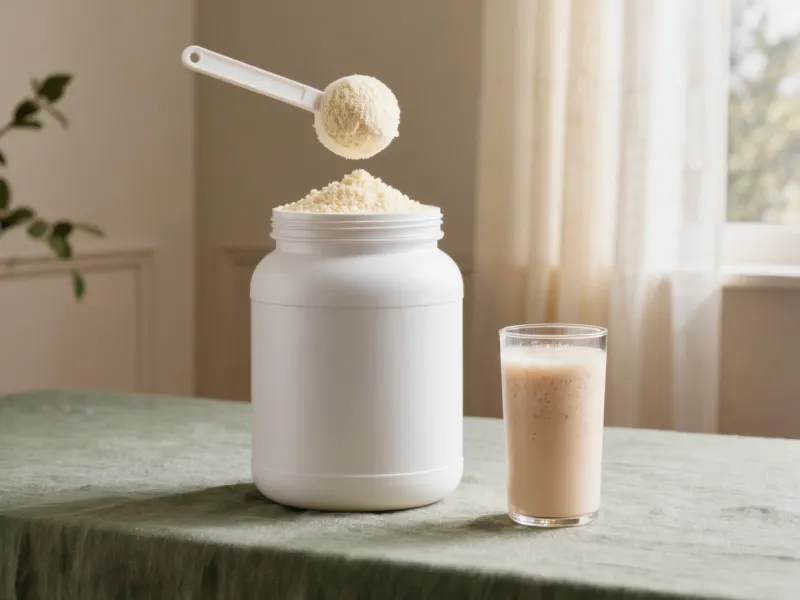
- 20–25 g protein
- Look for
- Third-party tested
Do you need a protein powder?
The RDA for protein is 0.8 g per kilogram of body weight a day, a floor for avoiding deficiency. The International Society of Sports Nutrition suggests 1.4–2.0 g/kg a day for people who exercise regularly, spread over meals of roughly 20–40 g each. For a 154 lb (70 kg) person that's about 100–140 g a day.
Food covers this for many people: a chicken breast has about 26 g of protein in 3 oz cooked, and an egg about 6 g. A powder helps when you're busy, eat little meat, or have a high target. KcalRing tracks protein and calories from a photo of your meal, so you can see whether you actually fall short.
Whey, casein or plant: the main types
| Type | What it is | Good to know |
|---|---|---|
| Whey concentrate | Milk protein, some lactose and fat left in | Fast digesting, usually the cheapest |
| Whey isolate | Filtered further, at least 90% protein | Very little lactose; often fine for mild lactose intolerance |
| Casein | The slower-digesting milk protein | Thicker shakes; some people take it before bed |
| Soy | Plant protein with all essential amino acids | Dairy free |
| Pea, rice and blends | Plant proteins, often mixed | Blends balance the amino acid profile |
Whey is rich in leucine, the amino acid most linked to muscle building, which is why it's popular with lifters. Plant blends work well too when the daily total is enough.
What to look for on the label
- Protein per scoop and the scoop size, so you can compare cost per 20 g of protein.
- Third-party testing such as NSF Certified for Sport or USP Verified. The FDA does not approve supplements before they're sold, so testing is how you know the label matches the tub.
- A short ingredient list. Added sugar and fillers raise calories without adding protein.
- No proprietary blends that hide how much of each protein is inside.
- Allergens such as milk or soy, if they matter to you.
How to use a protein shake
- Count the shake as part of your day, not on top of it. One scoop with milk can be 200–300 calories; the calorie calculator shows what fits.
- Timing matters less than your daily total. A shake after a gym workout or with a light breakfast is easy to remember.
- Keep whole foods first: they bring fiber, vitamins and minerals a powder doesn't.
Sources
Frequently asked questions
Is whey protein good for you?
For most healthy adults, whey is a convenient, high-quality protein. It's still a supplement, so choose a third-party tested product and count it toward your daily calories.
How many protein shakes a day is OK?
One or two is plenty for most people. Aim to reach your daily protein from meals first and use shakes to fill the gap.
Can a protein shake replace a meal?
A plain shake is lower in fiber, vitamins and calories than a balanced meal, so it works as a snack or add-on rather than a regular meal replacement.
Whey isolate or concentrate?
Isolate has more protein per scoop and less lactose; concentrate usually costs less. If dairy doesn't bother you, either works.
Do protein shakes make you gain weight?
Only if they push your total calories above what you burn. Protein itself is filling, which can help with appetite.
This guide is general information, not medical advice. Supplements can interact with medicines and aren't right for everyone: talk to a doctor or pharmacist before starting one, especially if you're pregnant or breastfeeding, have a health condition, take medication or are under 18.