
Supplement guides
Supplement guides
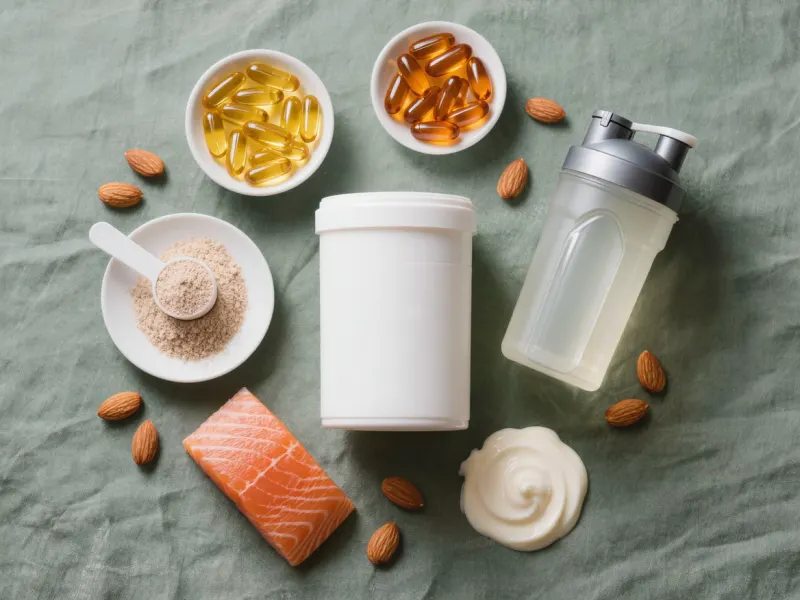
What the most-searched supplements actually do, how much people take, what to look for on a label and who should be careful. Food first, sources included.
Updated Sources: CDC, NIH, peer-reviewed research
All supplements guides

How to choose the best protein powder
The best protein powder fits your diet, protein goal and budget. How whey, isolate and plant powders compare, how much you need and which labels to trust.

What is creatine?
Creatine is a natural compound that powers short bursts of effort. What creatine does, its proven benefits, common side effects and who should check first.
Should I take creatine?
Should you take creatine? Who it helps, how to take it (3–5 g a day), whether timing matters, if it makes you hungry, and who should ask a doctor first.

Creatine for women
Creatine for women: what the research shows for strength, muscle and aging, the usual 3–5 g dose, water weight, and when to check with a doctor first.
How to choose the best creatine
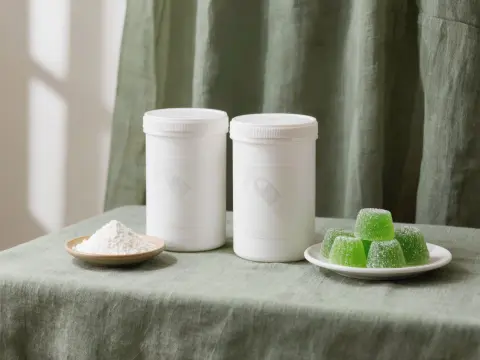
The best creatine is usually plain creatine monohydrate, third-party tested, at 3–5 g a day. How powder, capsules and creatine gummies compare on dose and value.

Which supplements are worth taking?
The best supplements are the ones you need. Who may benefit from vitamin D, B12, iron, folic acid and omega-3, and why food comes first for most people.
Iron supplements: who needs them and how to take them
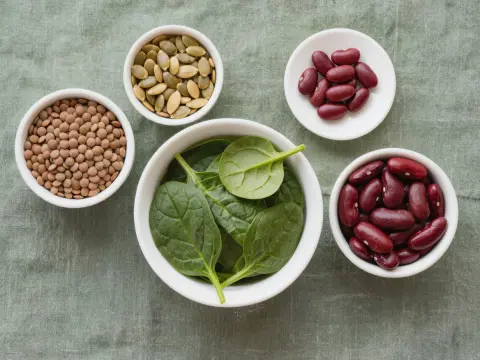
Iron supplements help people with low iron, but too much is harmful. Daily needs, the upper limit of 45 mg, how to take iron, side effects and iron-rich foods.
Magnesium supplements: forms, dose and safety
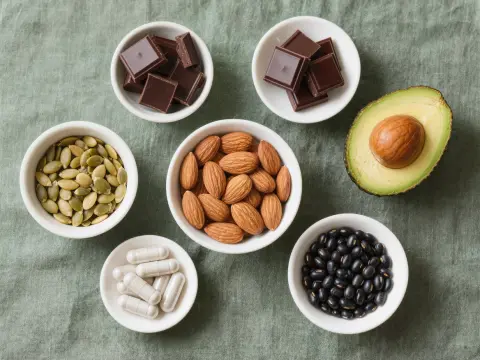
Magnesium supports muscles, nerves and energy. Daily needs, magnesium-rich foods, glycinate vs citrate vs oxide, and the 350 mg limit for supplements.
Omega-3: foods, supplements and how much you need
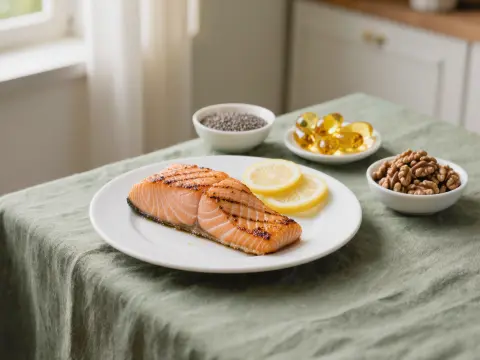
Omega-3 fats (ALA, EPA and DHA) support heart, brain and eye health. How much you need, the best food sources, what fish oil can do, and who should be careful.

Collagen supplements: what the evidence says
Collagen is the main protein in skin, tendons and bone. What collagen supplements can and can't do for skin and joints, typical doses, and how to choose one.

How to choose the best probiotic
The best probiotic depends on why you take it. How to read strains and CFUs, where evidence exists (including vaginal health), and who should be careful.

What is a probiotic?
A probiotic is a live microorganism that can benefit health in the right amount. Prebiotics vs probiotics, the best probiotic foods, and when supplements help.

How to choose the best multivitamin
The best multivitamin matches your age and sex and stays near 100% of daily values. What women, men and adults over 50 should look for, and when to skip one.

Pre-workout supplements: what's inside and who should avoid them
Pre-workout supplements mostly rely on caffeine. Safe caffeine doses, why beta-alanine tingles, what to look for on the label and who should skip pre-workout.
More guides
- Workout guides →Free workout guides with sets, reps and rest: gym, home, full body, back, legs, chest, abs, arms, shoulders and Pilates, plus how to log every workout.
- Health guides →Clear, sourced guides on obesity, GLP-1, type 2 diabetes, blood pressure, cholesterol, gut health and cancer signs and screening, with what food can do.
- Calories in food →Calories, protein, carbs and fat in everyday foods, by portion.
These guides are general information, not medical advice. Talk to a doctor before starting a supplement, a new exercise program or a big change to what you eat, especially if you have a health condition, take medication, are pregnant or are under 18.