Health guides
Health guides
Calm, plain-English guides to the health questions people search most, built on CDC, NIH and medical-society sources, with the everyday steps that help.
Updated Sources: CDC, NIH, peer-reviewed research

All health guides
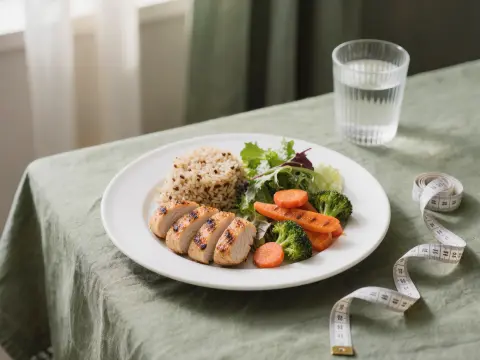
What is obesity? BMI classes, causes and treatment
What obesity is, how BMI defines class 1, 2 and 3 obesity, why it's treated as a chronic disease, the treatment options that help, and a short note on children.

What is GLP-1? How GLP-1 weight loss medicines work
What GLP-1 is, how GLP-1 weight loss medicines like semaglutide and tirzepatide work, approved uses, side effects, FDA warnings, and why protein matters.
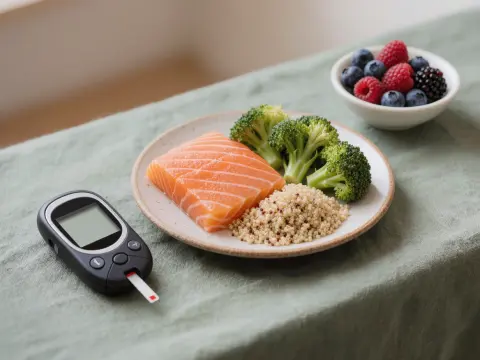
Type 2 diabetes: what it is and how it differs from type 1
What type 2 diabetes is, how it differs from type 1 and gestational diabetes, who is at higher risk, and the everyday steps that can prevent or delay it.

Diabetes symptoms, prediabetes signs and when to get tested
Common diabetes symptoms, why prediabetes often has none, who should get tested, and the A1C and fasting blood sugar numbers for prediabetes and diabetes.
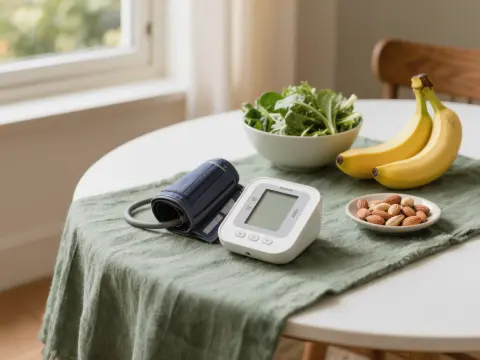
High blood pressure: readings, causes and how to lower it
What counts as high blood pressure on the American Heart Association chart, why it often has no symptoms, and how to lower it with DASH, less salt and activity.

Low blood pressure: symptoms, causes and when to see a doctor
What counts as low blood pressure (below 90/60), the symptoms to notice, common causes like dehydration and medicines, simple self-care, and when to get help.
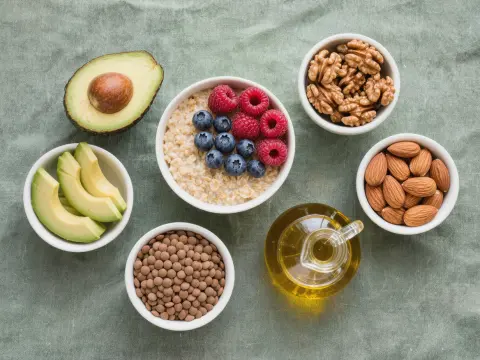
High cholesterol: LDL, healthy levels and how to lower it
What high cholesterol and LDL are, healthy cholesterol levels for adults, how often to get tested, and food swaps, fiber and activity that help lower LDL.
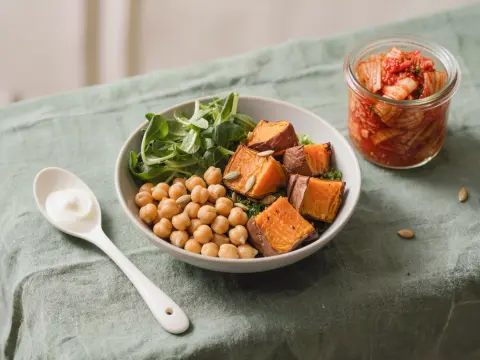
Gut health: fiber, fermented foods and plant variety
What gut health means, how fiber, fermented foods and a wide variety of plants feed your gut microbes, what probiotics can and can't do, and when to get help.

Cancer symptoms: general warning signs and screening
General signs and symptoms of cancer from the National Cancer Institute and American Cancer Society, when to see a doctor, and the main screening tests.

Breast cancer: symptoms, risk factors and screening
Breast cancer warning signs, risk factors you can and can't change, the USPSTF advice on mammograms every 2 years from 40 to 74, and habits that may lower risk.
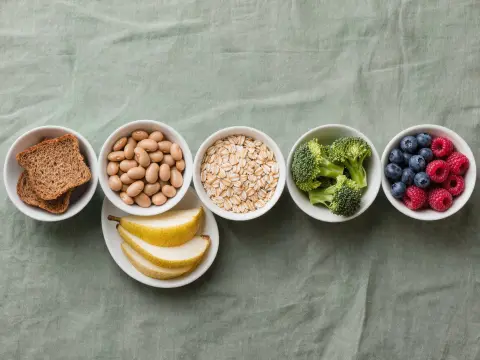
Colon cancer: symptoms, screening from 45 and diet
Colon cancer symptoms to get checked, why the USPSTF advises screening from 45, the test options, rising rates in younger adults, and diet and activity habits.
More guides
- Supplement guides →Plain guides to protein powder, creatine, multivitamins, magnesium, iron, omega-3, collagen, probiotics and pre-workout: what they do, doses and safety.
- Workout guides →Free workout guides with sets, reps and rest: gym, home, full body, back, legs, chest, abs, arms, shoulders and Pilates, plus how to log every workout.
- Calories in food →Calories, protein, carbs and fat in everyday foods, by portion.
These guides are general information, not medical advice. Talk to a doctor before starting a supplement, a new exercise program or a big change to what you eat, especially if you have a health condition, take medication, are pregnant or are under 18.