Supplement guide
Iron supplements: who needs them and how to take them
Iron supplements are for people who don't get or absorb enough iron, such as those with heavy periods, pregnancy or diagnosed iron deficiency; most others get enough from food. Because extra iron can be harmful, it's best to check your levels with a doctor before taking one.
Updated Sources: NIH, peer-reviewed research
- Women 19–50
- 18 mg a day
- Men, women 51+
- 8 mg a day
- Pregnancy
- 27 mg a day
- Upper limit
- 45 mg a day
Who may need iron
- People with heavy menstrual periods.
- Pregnant women, whose needs rise to 27 mg a day.
- Frequent blood donors.
- People with conditions that affect absorption, such as celiac disease, or after some stomach surgeries.
- Vegetarians and vegans, who need about 1.8 times more iron because plant iron is absorbed less well.
Tiredness, weakness, pale skin and shortness of breath can be signs of iron-deficiency anemia, but they have many causes. A blood test tells you whether iron is the issue.
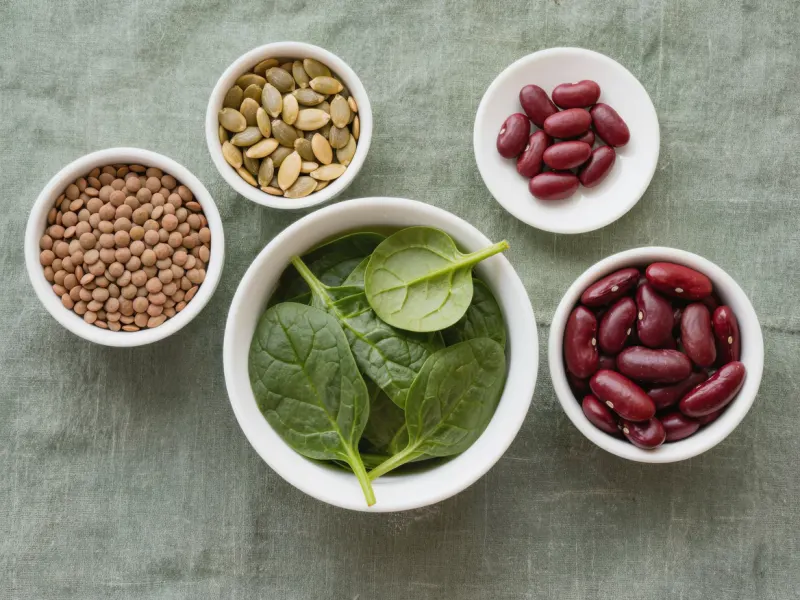
Iron-rich foods
| Food | Serving | Iron |
|---|---|---|
| Fortified breakfast cereal | 1 serving | Up to 18 mg |
| Oysters, cooked | 3 oz (85 g) | 8 mg |
| White beans, canned | 1 cup | 8 mg |
| Lentils, boiled | ½ cup | 3 mg |
| Spinach, boiled | ½ cup | 3 mg |
| Tofu, firm | ½ cup | 3 mg |
| Beef, braised | 3 oz (85 g) | 2 mg |
Heme iron from meat, poultry and fish is absorbed best. Eating plant iron with vitamin C (citrus, peppers, tomatoes) helps you absorb more.
How to take an iron supplement
- Take the dose your doctor recommends; treatment doses for anemia are higher than the RDA and are a medical decision.
- Check elemental iron on the label. Ferrous sulfate, ferrous gluconate and ferric forms contain different amounts of iron per tablet.
- Iron is absorbed best on an empty stomach; if it upsets your stomach, taking it with a little food is fine.
- Keep it apart from calcium supplements, tea and coffee by a couple of hours, as they reduce absorption.
- Separate it from medicines such as levothyroxine and levodopa; ask your pharmacist about timing.
Side effects and safety
Common side effects are constipation, nausea, stomach pain and dark stools. Adults shouldn't exceed 45 mg a day from supplements unless a doctor prescribes more.
Sources
Frequently asked questions
When is the best time to take iron supplements?
Iron is absorbed best on an empty stomach, such as in the morning before breakfast. If that causes nausea, take it with a small meal instead.
How long do iron supplements take to work?
Many people feel better within a few weeks, but refilling iron stores often takes a few months. Your doctor may recheck your blood to decide when to stop.
Can I take iron with coffee?
Coffee and tea reduce iron absorption, so it's better to take iron a couple of hours apart from them.
Should I take iron every day?
Follow your doctor's plan. Some doctors suggest every-other-day dosing, which may be absorbed as well and cause fewer stomach side effects.
Do men need iron supplements?
Rarely. Men need 8 mg a day and usually get it from food; taking iron without a deficiency can lead to excess.
This guide is general information, not medical advice. Supplements can interact with medicines and aren't right for everyone: talk to a doctor or pharmacist before starting one, especially if you're pregnant or breastfeeding, have a health condition, take medication or are under 18.