
Supplement guide
How to choose the best creatine
The best creatine for most people is plain creatine monohydrate powder that has been third-party tested, taken at 3–5 g a day. It's the form behind nearly all the research, it's inexpensive, and newer forms haven't been shown to work better.
Updated Sources: NIH, peer-reviewed research
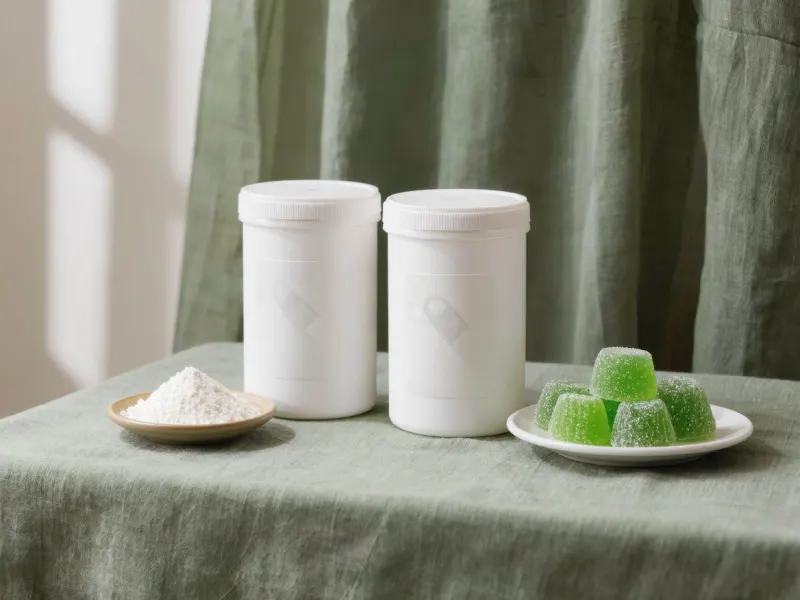
- Form to choose
- Creatine monohydrate
- Dose
- 3–5 g a day
- Check for
- NSF or USP seal
- Gummies
- Check grams per gummy
Why monohydrate wins
Creatine monohydrate has been studied for decades in hundreds of trials. Other forms, such as creatine hydrochloride (HCl), ethyl ester or buffered creatine, are often sold as better absorbed or gentler, but the ISSN found no good evidence that they work better than monohydrate, and they usually cost more.
Micronized monohydrate is the same compound ground finer so it mixes more easily, a reasonable choice if texture bothers you.
Price is a fair guide here: because the best-studied form is also one of the cheapest, compare cost per 5 g serving rather than paying more for a new name. Flavored creatine is fine too; just check it doesn't add sugar, caffeine or other stimulants you didn't plan on.
What to look for on the label
- One ingredient: creatine monohydrate, with no added stimulants.
- Third-party testing such as NSF Certified for Sport or USP Verified, which check that the product contains what the label says and isn't contaminated. Competitive athletes should use certified products.
- Grams per serving you can measure easily; 3–5 g is the target.
- No proprietary blends that hide the creatine dose among other ingredients.
| Format | Pros | Watch for |
|---|---|---|
| Powder | Cheapest per dose, easy to adjust | Gritty if not micronized |
| Capsules | No mixing | Often 4–6 capsules for 3–5 g |
| Gummies | Easy to remember, tasty | Low dose per gummy, sugar, label accuracy |
Are creatine gummies worth it?
Gummies can work if each serving really delivers 3–5 g. Many contain around 1–1.5 g per gummy, so you may need several a day, plus the sugar and calories that come with them. When a supplement maker had 12 brands of creatine gummies lab-tested in 2024, 5 of the 12 contained less creatine than their labels claimed, and all 5 showed signs that the creatine had broken down; gummies are made with water, which makes the dose hard to keep stable. A third-party seal matters even more here.
If you prefer gummies, count the grams per serving, check for testing, and include the extra sugar in your daily calories.
Who should be careful
Sources
Frequently asked questions
What is the best form of creatine?
Creatine monohydrate. It has the most research behind it, and other forms haven't been shown to work better.
Do creatine gummies work?
They can if you get 3–5 g of creatine a day from them. Check grams per gummy and choose a third-party tested product, since in 2024 lab tests 5 of 12 gummy brands contained less creatine than labeled.
Is creatine HCl better than monohydrate?
There's no good evidence that it is. It mixes more easily, but monohydrate is better studied and usually cheaper.
What does NSF Certified for Sport mean?
An independent lab has checked that the product contains what its label says and is screened for substances banned in sport.
This guide is general information, not medical advice. Supplements can interact with medicines and aren't right for everyone: talk to a doctor or pharmacist before starting one, especially if you're pregnant or breastfeeding, have a health condition, take medication or are under 18.