Health guide
High blood pressure: readings, causes and how to lower it
High blood pressure (hypertension) means the force of blood against your artery walls stays too high, and the American Heart Association counts it from a reading of 130/80 mm Hg or higher. About half of US adults have it, and only about 1 in 4 of them have it under control. It usually causes no symptoms, so measuring is the only way to know. The good news: food, salt, activity, alcohol and weight all make a real difference, alongside medicine when your doctor recommends it.
Updated Sources: CDC, NIH, medical societies
- Normal
- Below 120/80
- High from
- 130/80
- US adults affected
- About 48%
- Ideal sodium
- 1,500 mg a day
Blood pressure categories
A reading has two numbers: systolic (the top number, when your heart beats) and diastolic (the bottom number, between beats). The American Heart Association uses these categories:
| Category | Top number | Bottom number | |
|---|---|---|---|
| Normal | Below 120 | and | Below 80 |
| Elevated | 120–129 | and | Below 80 |
| Stage 1 high blood pressure | 130–139 | or | 80–89 |
| Stage 2 high blood pressure | 140 or higher | or | 90 or higher |
| Severe high blood pressure | Higher than 180 | and/or | Higher than 120 |
One high reading doesn't mean you have hypertension; diagnosis is based on several readings over time.
Why it matters
Over years, high blood pressure strains the heart and blood vessels and raises the risk of heart attack, stroke and kidney disease. Because it rarely causes symptoms, many people don't know they have it. Regular checks at the doctor or with a validated home monitor are the simplest protection.
How to lower blood pressure
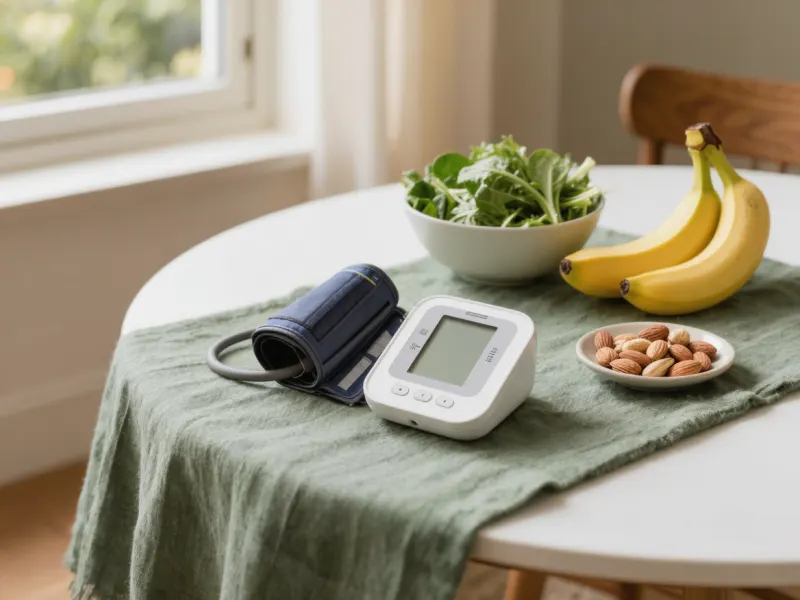
- Eat the DASH way. The NHLBI's DASH plan is rich in vegetables, fruit, whole grains, low-fat dairy, fish, poultry, beans and nuts, and limits saturated fat, sugary drinks and sweets. Potassium-rich foods such as bananas, sweet potatoes and oranges fit well.
- Cut sodium. The AHA advises no more than 2,300 mg a day, moving toward an ideal of 1,500 mg for most adults. Cutting even 1,000 mg a day can help.
- Move more. Aim for at least 150 minutes a week of moderate activity such as brisk walking, plus some strength training.
- Drink less alcohol, or none. Cutting back on or avoiding alcohol is one of the AHA's recommended changes.
- Reach a healthy weight if you have extra weight; see how many calories to lose weight.
- Don't smoke, sleep well and manage stress.
- Take any prescribed medicine as directed, and keep up the habits above alongside it.
Finding the hidden salt
Up to 70% of the sodium US adults eat comes from processed foods, not the salt shaker, and restaurant food is often high in sodium too.
- Check labels on bread, deli meats, canned soups, sauces and frozen meals, and pick lower-sodium versions.
- Cook at home more often, and flavor with herbs, spices, garlic, citrus and vinegar.
- Rinse canned beans and vegetables.
- Ask for sauces on the side when eating out.
Keeping a food log for a week makes patterns easy to spot; KcalRing can log a meal from a photo in seconds.
Sources
Frequently asked questions
What is considered high blood pressure?
The American Heart Association counts 130/80 mm Hg or higher as high blood pressure. 120 to 129 over less than 80 is elevated, and below 120/80 is normal.
How can I lower my blood pressure quickly?
Lifestyle changes work over weeks, not minutes. If a reading is above 180/120, measure again and contact your doctor; call 911 if you also have symptoms like chest pain or trouble speaking.
Does high blood pressure have symptoms?
Usually not, which is why it's called silent. Regular measuring is the only reliable way to know.
How much salt should I eat for high blood pressure?
The AHA advises no more than 2,300 mg of sodium a day and an ideal of 1,500 mg for most adults, especially those with high blood pressure.
What is the DASH diet?
DASH (Dietary Approaches to Stop Hypertension) is an NHLBI eating plan built on vegetables, fruit, whole grains, low-fat dairy, lean protein, beans and nuts, with less saturated fat, sugar and salt.
This guide is general health information, not medical advice, and can't diagnose any condition. If you have symptoms or questions about your health, talk to a doctor. In an emergency, call 911 or your local emergency number.