
Health guide
What is obesity? BMI classes, causes and treatment
Obesity is a chronic health condition in which a person carries more body fat than is healthy, and for adults it is usually screened with a body mass index (BMI) of 30 or higher. It is very common: about 4 in 10 US adults have obesity, according to the CDC. It has many causes, from genes and medicines to sleep, stress, food environment and activity, and it is not a personal failing. The good news is that even a modest weight loss can improve health, and there are more treatment options than ever.
Updated Sources: CDC, NIH, medical societies
- Adult obesity
- BMI 30 or higher
- US adults
- About 4 in 10
- Severe (class 3)
- BMI 40 or higher
- A good first goal
- 5% in 6 months
How BMI defines obesity
BMI is your weight in kilograms divided by your height in meters squared. The CDC uses these categories for adults aged 20 and older. You can work out yours with the BMI calculator.
| BMI | Category |
|---|---|
| Below 18.5 | Underweight |
| 18.5 to under 25 | Healthy weight |
| 25 to under 30 | Overweight |
| 30 to under 35 | Class 1 obesity |
| 35 to under 40 | Class 2 obesity |
| 40 or higher | Class 3 (severe) obesity |
BMI is a screening tool, not a diagnosis. It doesn't measure body fat directly or tell muscle from fat, so a doctor looks at it alongside waist size, blood tests, blood pressure and your history.
Is obesity a disease?
Yes. The World Health Organization describes obesity as a chronic disease driven by complex interactions between environmental, social, biological and behavioral factors, including genetics. That framing matters: it means obesity deserves the same calm, evidence-based care as any other long-term condition, without blame.
Obesity raises the chance of other conditions, including type 2 diabetes, high blood pressure, high cholesterol, sleep apnea and some cancers. Losing excess weight may lower that risk and can improve conditions people already have.
Obesity treatment options
Treatment is personal, and a doctor can help you choose. The NIH (NIDDK) lists these options, usually in this order:
- Healthy eating and more activity, often through a structured program with regular support, food and activity tracking and weekly weigh-ins.
- Weight-loss medicines when lifestyle changes aren't enough, for adults with a BMI of 30 or more, or 27 or more with a weight-related condition. See what GLP-1 medicines are.
- Weight-loss surgery, which may be recommended for adults with a BMI of 35 or higher, and sometimes lower when a serious related condition such as type 2 diabetes is present.
- Weight-loss devices for some people who haven't succeeded with other treatments.
Small daily steps that add up
- Find a gentle daily calorie target with the calorie calculator, or see how many calories to lose weight.
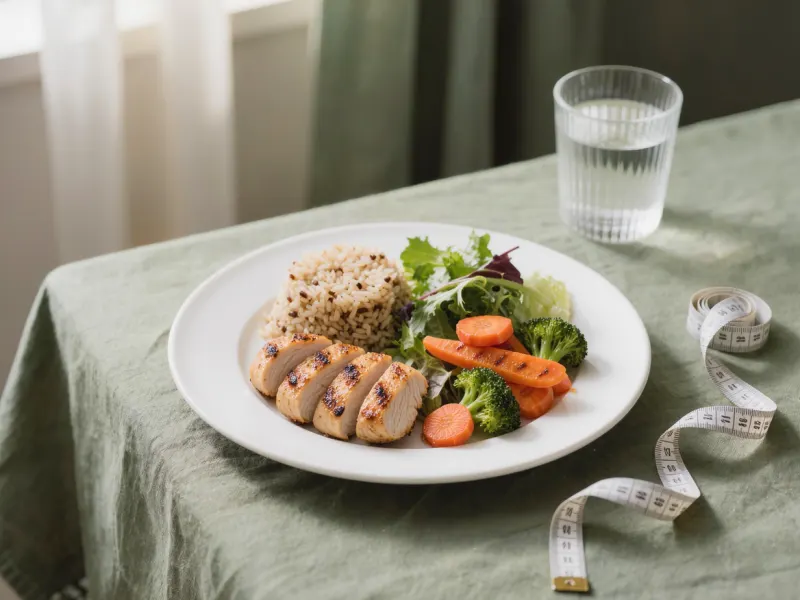
- Build meals around vegetables, fruit, whole grains and protein foods such as eggs or chicken breast, which help you feel full.
- Move most days. Adults are advised to aim for at least 150 minutes a week of moderate activity; a home workout or a beginner gym workout both count.
- Track what you eat and weigh in weekly so you can see trends, not single days. KcalRing can count a meal from a photo and log your weight and BMI for free.
Childhood obesity, in brief
In children and teens, obesity is defined differently: a BMI at or above the 95th percentile for their age and sex. The CDC reports that about 1 in 5 US children and adolescents (19.7%) had obesity in 2017 to March 2020. Adult BMI categories don't apply to them, so talk with a pediatrician, and focus on family habits (meals, sleep, screen time, play) rather than dieting or weight talk.
Sources
Frequently asked questions
What BMI is considered obese?
For adults, a BMI of 30 or higher is in the obesity range. Class 1 is 30 to under 35, class 2 is 35 to under 40, and class 3 (severe) is 40 or higher.
Is obesity a disease?
Yes. The World Health Organization describes obesity as a chronic disease with genetic, biological, environmental and social causes, not simply a matter of willpower.
What is the best treatment for obesity?
There isn't one best option for everyone. Treatment usually starts with eating and activity changes, and may add medicines or surgery depending on your BMI and health; a doctor can help you weigh the options.
How much weight do I need to lose to see health benefits?
Even a modest loss helps. The NIDDK suggests about 5% of your body weight over 6 months as a good first goal.
Is BMI accurate for everyone?
BMI is a quick screening tool. It doesn't distinguish muscle from fat, so very muscular people can score high; doctors use it alongside other measures.
This guide is general health information, not medical advice, and can't diagnose any condition. If you have symptoms or questions about your health, talk to a doctor. In an emergency, call 911 or your local emergency number.